
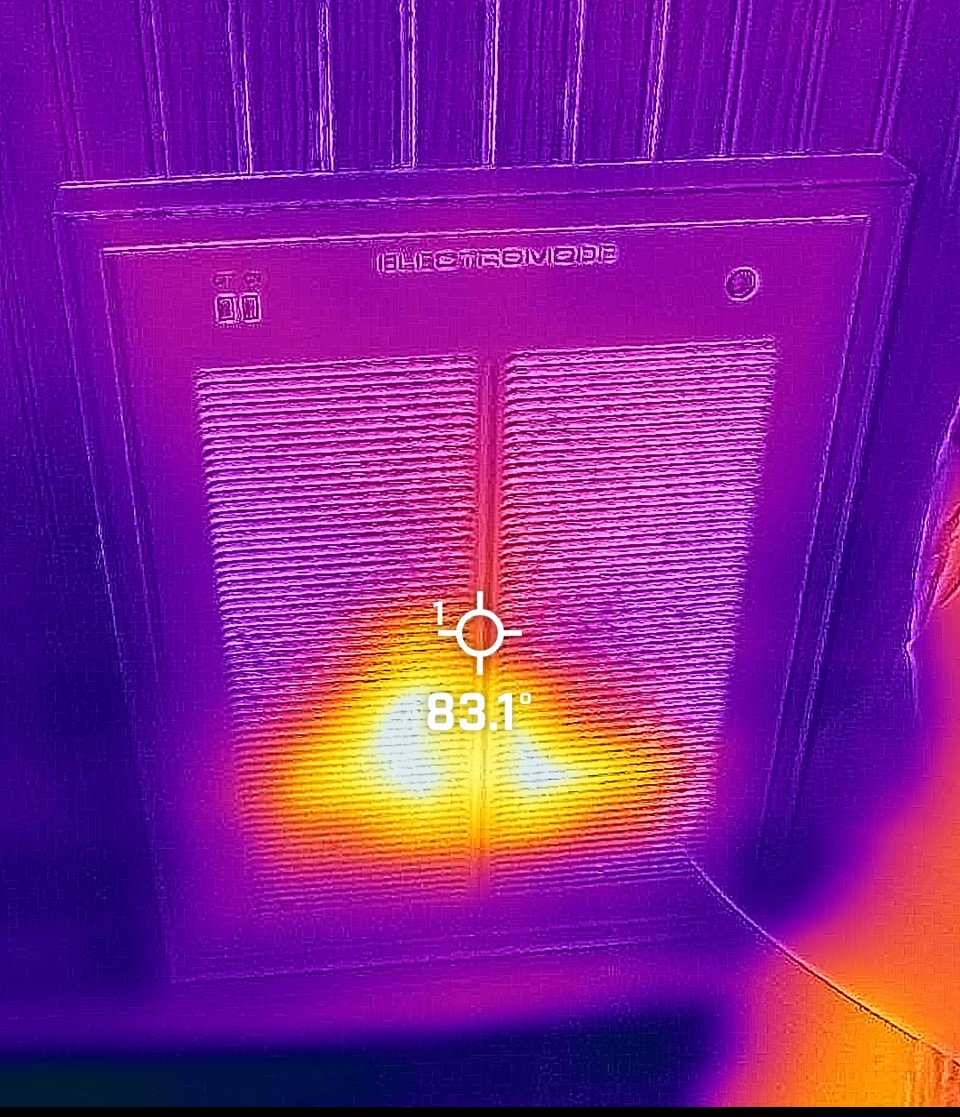
When you’re looking at a potential home purchase, the type of heating system is often overlooked in favor of more visible features like the kitchen or bathroom. But in my professional opinion, heating is one of the most critical systems in any home — especially here on Long Island, where winter temperatures can be unforgiving. Over the years, I’ve inspected countless homes with electric heat, and while it can be an excellent solution in some cases, it’s not without its drawbacks. Understanding the pros, cons, and what to look for during an inspection can help you make a smart, informed decision before you buy.
What Exactly Is Electric Heat?
Electric heating systems convert electrical energy directly into heat through resistance elements — typically metal coils or heating wires. As electricity passes through these elements, they warm up, and the heat is then distributed into the room through convection, radiation, or fans.
Common types of electric heating systems include:
- Electric Baseboard Heaters: Wall-mounted units running along the base of a wall. They’re simple, quiet, and individually controlled in each room.
- Radiant Floor Heating: Coils or mats installed beneath flooring. This type provides even, gentle warmth from the ground up and is almost invisible.
- Wall-Mounted Panel Heaters: Slim, flat heaters often found in bathrooms or small bedrooms.
- Portable Space Heaters: Plug-in units for supplemental heat — handy, but potentially risky if misused.
Advantages of Electric Heating
There are several benefits to owning a home with electric heat:
- Ease of Installation: No ductwork, fuel lines, or venting is required for most systems.
- Individual Room Control: Zone heating allows you to heat only the rooms you use, potentially saving money.
- Low Maintenance: Electric heaters have fewer moving parts and require less upkeep than fuel-burning systems.
- Safety (When Used Correctly): No combustion means no carbon monoxide risk — though electrical hazards are still possible if wiring is outdated.
Potential Drawbacks to Consider
In my experience, the biggest drawback of electric heat is operating cost. Electricity is often more expensive than natural gas or oil per unit of heat produced. If a home relies on electric heating for the entire living space and lacks proper insulation, the winter utility bills can be a shock to a new homeowner.
Other concerns include:
- Older Wiring: Homes built decades ago may not have the electrical capacity to safely run multiple heaters at once.
- Wear and Tear: Heating elements can degrade over time, reducing efficiency and potentially becoming a fire hazard.
- Uneven Heating: Some systems can create hot and cold spots in rooms, especially in larger spaces.
What I Look for During a Home Inspection
When inspecting a home with electric heat, I always pay close attention to the following:
- Condition of Units: Are baseboards free from rust, dust buildup, or physical damage?
- Thermostat Function: Does each unit respond correctly to temperature adjustments?
- Electrical Load Capacity: Is the breaker panel capable of handling the system without overloading?
- Safety Clearances: Are heaters properly distanced from curtains, furniture, and other combustibles?
- Insulation and Sealing: Does the home retain heat well, or will the system be fighting against drafts?
Energy Efficiency and Cost Control
If you’re considering buying a home with electric heat, efficiency should be top of mind. In my opinion, electric heat works best in well-insulated homes where the heating demand is low. Here are some practical tips:
- Use programmable thermostats to reduce heating in unused rooms.
- Upgrade older heaters to modern, energy-efficient models with eco modes.
- Add insulation in attics, basements, and walls to minimize heat loss.
- Seal air leaks around doors and windows.
- Consider a home energy audit to identify where improvements can be made (see our guide here).
My Professional Opinion on Electric Heat
From a purely technical standpoint, electric heat is reliable, simple, and safe when installed and maintained correctly. For smaller homes, condos, or well-insulated properties, it can be an economical choice — especially when paired with renewable energy sources like solar panels. However, for larger, drafty homes, or in cases where insulation is lacking, the operating cost can outweigh the convenience. That’s why I always recommend a thorough home inspection before committing to a purchase. You want to know exactly what you’re dealing with in terms of efficiency, safety, and potential upgrade costs.
Related Resources
- Electrical System Inspections
- Space Heater Safety Tips
- Winter Home Maintenance Checklist
- Energy.gov: Electric Resistance Heating
Final Thoughts
Heating is a major comfort factor and cost consideration for any homebuyer. Electric heat isn’t inherently bad — in fact, in the right home, it can be an excellent choice. But like any system, it needs to be evaluated in context. A home that’s energy-efficient, has a robust electrical system, and uses modern heaters can keep you warm and comfortable without draining your wallet. On the other hand, a poorly insulated home with aging units can quickly turn into an expensive headache.
Schedule Your Pre-Purchase Home Inspection
If you’re in the market for a home with electric heat, make sure you have all the facts before making an offer. At DVA Home Inspections, we specialize in identifying potential issues, assessing energy efficiency, and providing clear, actionable recommendations. A thorough inspection today can save you thousands in unexpected costs down the road.