
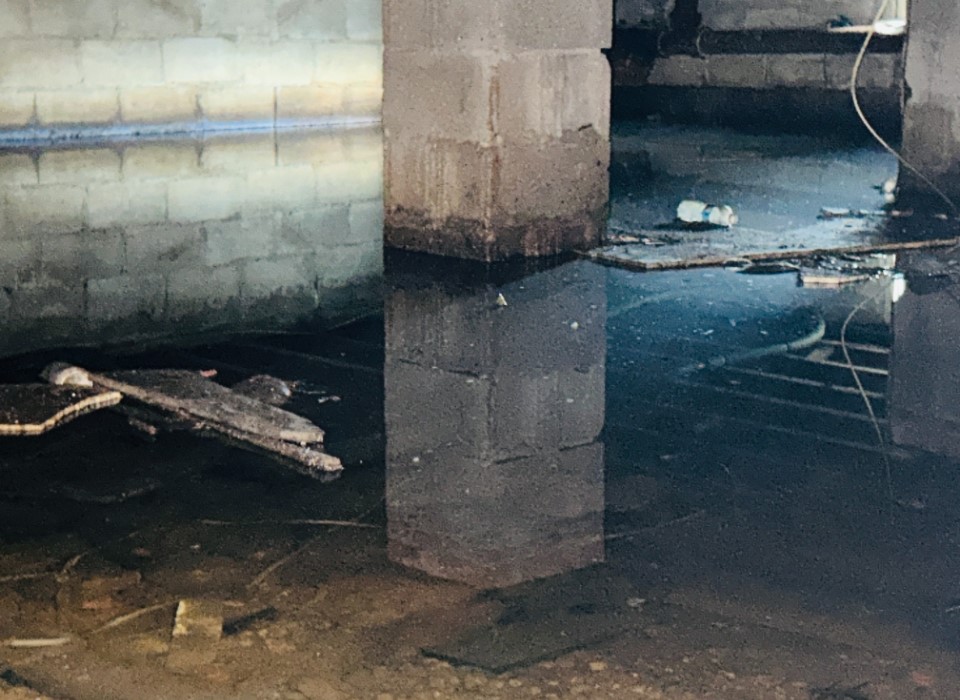
1. Foundation Damage
Excess moisture leads to soil expansion and contraction, which puts stress on the foundation walls. Over time, this can cause cracks, settlement, and costly structural repairs.
2. Mold and Mildew Growth
Moisture creates the perfect breeding ground for mold and mildew. Mold spores can easily travel into your living space, causing respiratory issues, allergies, and other health problems.
3. Wood Rot and Pest Infestation
Wet wood becomes weak and attractive to pests such as termites, carpenter ants, and rodents. Wood rot can compromise your floor joists and beams, threatening the stability of your home.
4. Poor Indoor Air Quality
Because air rises, damp crawl space air can seep into your home, bringing musty odors, allergens, and mold spores. This is particularly concerning for families with asthma or allergies.
5. Increased Energy Costs
Moisture reduces the effectiveness of insulation, forcing your HVAC system to work harder. This not only increases your utility bills but also shortens the lifespan of your heating and cooling systems.
Signs of Crawl Space Moisture Problems
- Musty odors in the home
- Visible mold on walls or floor joists
- High indoor humidity
- Sagging or uneven floors
- Condensation on windows or ductwork
- Increased presence of pests
If you notice any of these signs, it’s a strong indication that your crawl space is retaining moisture and needs immediate attention.
How to Keep Your Crawl Space Dry
1. Proper Drainage and Grading
Ensure the soil around your home slopes away from the foundation. Poor grading can allow rainwater to pool around your house and seep into the crawl space.
2. Gutter and Downspout Maintenance
Clogged or broken gutters direct water towards your foundation. Keeping them clean and extending downspouts at least 5–10 feet from the house helps prevent water intrusion. Learn more from This Old House.
3. Crawl Space Vapor Barrier
Installing a thick plastic vapor barrier on the crawl space floor prevents ground moisture from rising into the space. A properly sealed vapor barrier is one of the most cost-effective moisture prevention methods.
4. Encapsulation Systems
For maximum protection, encapsulating your crawl space with a full moisture barrier on the floors and walls creates a sealed, dry environment. Encapsulation often pairs with dehumidifiers for added control.
5. Dehumidification
A crawl space dehumidifier helps regulate humidity levels, keeping the air dry and preventing mold growth.
6. Sump Pump Installation
If your crawl space is prone to flooding, a sump pump can remove water efficiently and prevent standing water from causing damage.
7. Professional Inspections
Regular inspections by a licensed home inspector can catch small issues before they turn into major, costly problems. At DVA Home Inspections, we specialize in identifying crawl space issues before they escalate. As a trusted home inspector on Long Island, we help homeowners protect their investments with expert evaluations.
The Long-Term Benefits of a Dry Crawl Space
- Structural Protection: Extends the life of your foundation and framing.
- Healthier Home Environment: Reduces allergens, mold, and poor air quality.
- Energy Savings: Improved insulation and HVAC performance lower your utility bills.
- Increased Property Value: A dry, well-maintained crawl space makes your home more attractive to buyers.
- Peace of Mind: Eliminates worries about hidden damage or expensive repairs in the future.
Crawl Spaces and Flood Zones
For homes located in flood-prone areas, keeping a crawl space dry is even more critical. Standing water after heavy rainfall can linger in the crawl space, leading to faster deterioration of wood and foundation materials. Homeowners in flood zones should strongly consider full crawl space encapsulation combined with sump pumps and drainage systems.
For additional resources, visit FEMA’s Flood Map Service Center to see if your property is in a flood zone.
Final Thoughts
A crawl space may be out of sight, but it should never be out of mind. Moisture problems in this hidden area can cause structural damage, health risks, and high repair costs. By keeping your crawl space dry through proper drainage, encapsulation, and regular inspections, you protect not only your home but also your family’s health and comfort.
Call to Action
If you’re a homeowner on Long Island or the surrounding area and suspect your crawl space may have moisture issues, DVA Home Inspections can help. Our team provides professional crawl space inspections, moisture assessments, and practical solutions tailored to your home.
👉 Contact us today at DVA Home Inspections to schedule your inspection with a trusted home inspector on Long Island and protect your home from costly crawl space moisture problems.