
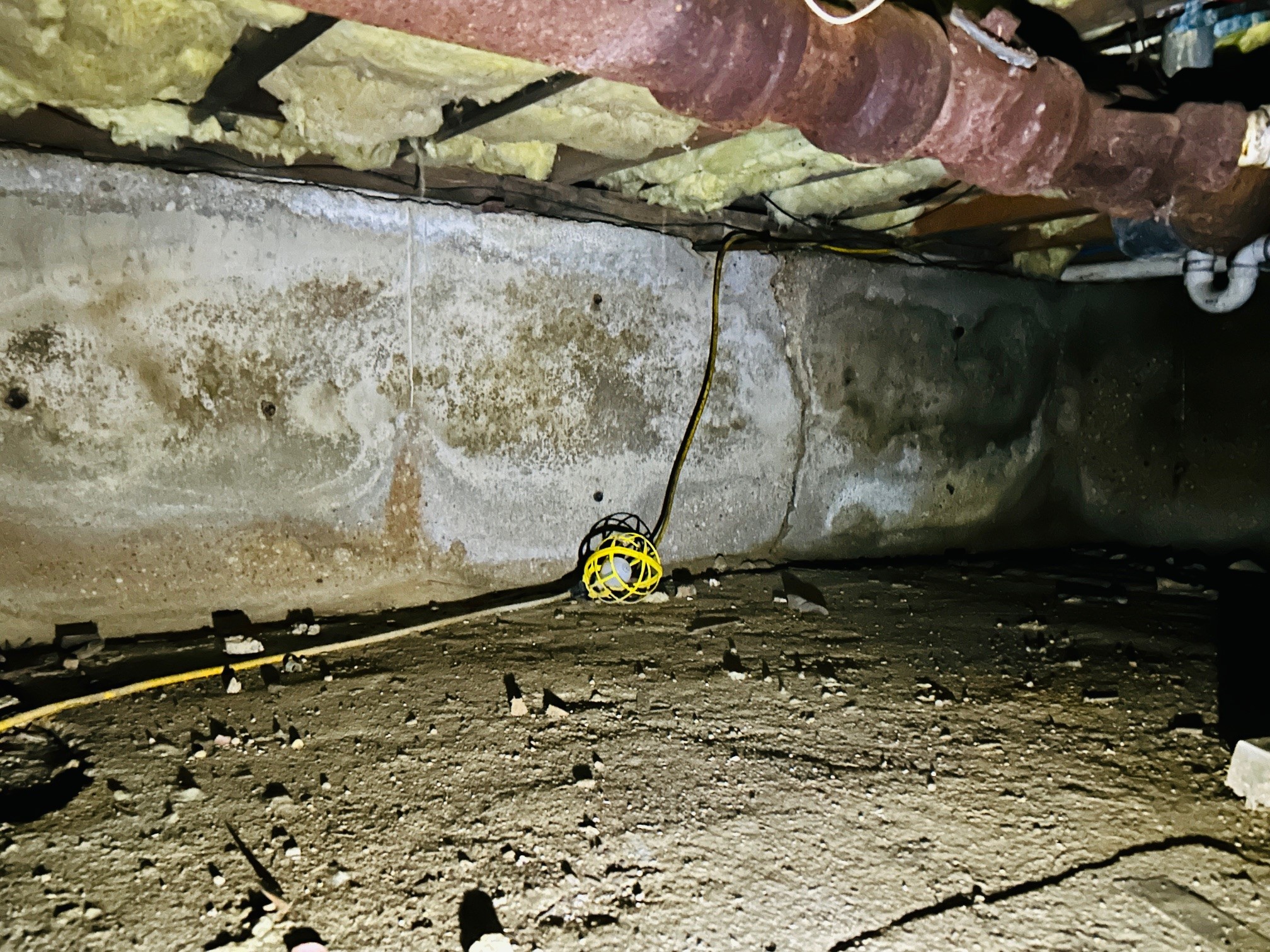
Efflorescence on Masonry: Causes, Signs, and Home Inspection Solutions
By DVA Home Inspections – Trusted Home Inspectors on Long Island

If you’ve ever noticed a white, powdery substance on brick, block, or concrete walls, you’ve likely seen efflorescence. This common issue occurs when moisture brings salts to the surface of masonry, leaving behind a chalky residue. While often mistaken for mold, efflorescence is a different problem — and one that signals moisture intrusion in your home.
In this post, we’ll cover:
- What efflorescence is and what causes it
- Where efflorescence commonly appears
- How to identify it during a home inspection
- Why moisture problems behind masonry matter
- How to prevent efflorescence in your home
What Is Efflorescence?
Efflorescence is the crystalline deposit of salts that forms on the surface of masonry materials when water moves through them. As the water evaporates, it leaves behind a visible white powder. The American Geosciences Institute explains that efflorescence is usually harmless to the masonry itself but can indicate unwanted moisture intrusion.
Key factors that lead to efflorescence:
- Water source: Rain, groundwater, or plumbing leaks saturating masonry.
- Soluble salts: Naturally present in concrete, brick, or mortar.
- Pathways: Cracks, porous materials, or poor drainage allowing moisture movement.
Where Efflorescence Commonly Appears
- Basement walls and foundations
- Exterior brick walls exposed to rain
- Concrete block retaining walls
- Chimneys and masonry fireplaces
- Garage and crawl space walls
During a home inspection, efflorescence is frequently found in basements, garages, and other areas where water and masonry meet.
Signs of Efflorescence vs. Mold
Homeowners often mistake efflorescence for mold. Here’s how to tell the difference:
- Efflorescence: White, chalky, easily brushed off, doesn’t smell.
- Mold: Black, green, or brown, fuzzy texture, musty odor, cannot be brushed off as easily.
Efflorescence itself isn’t harmful, but the moisture causing it can create conditions for mold growth if not addressed.
Why Efflorescence Matters in a Home Inspection
Efflorescence is not just a cosmetic issue — it’s a red flag for underlying moisture problems. If water is moving through masonry, it may be caused by:
- Poor exterior drainage
- Leaking gutters or downspouts
- Cracks in foundations or basement walls
- High indoor humidity or condensation
If left unresolved, moisture intrusion can lead to foundation damage, spalling bricks, or indoor air quality issues.
How to Prevent Efflorescence
- Control Water: Keep gutters and downspouts clear and direct water away from the foundation.
- Seal Masonry: Use breathable sealants designed for brick and concrete.
- Improve Drainage: Ensure soil slopes away from the house to prevent water pooling.
- Reduce Indoor Humidity: Use dehumidifiers in basements and crawl spaces.
- Regular Inspections: Schedule a moisture evaluation with a professional home inspector.