
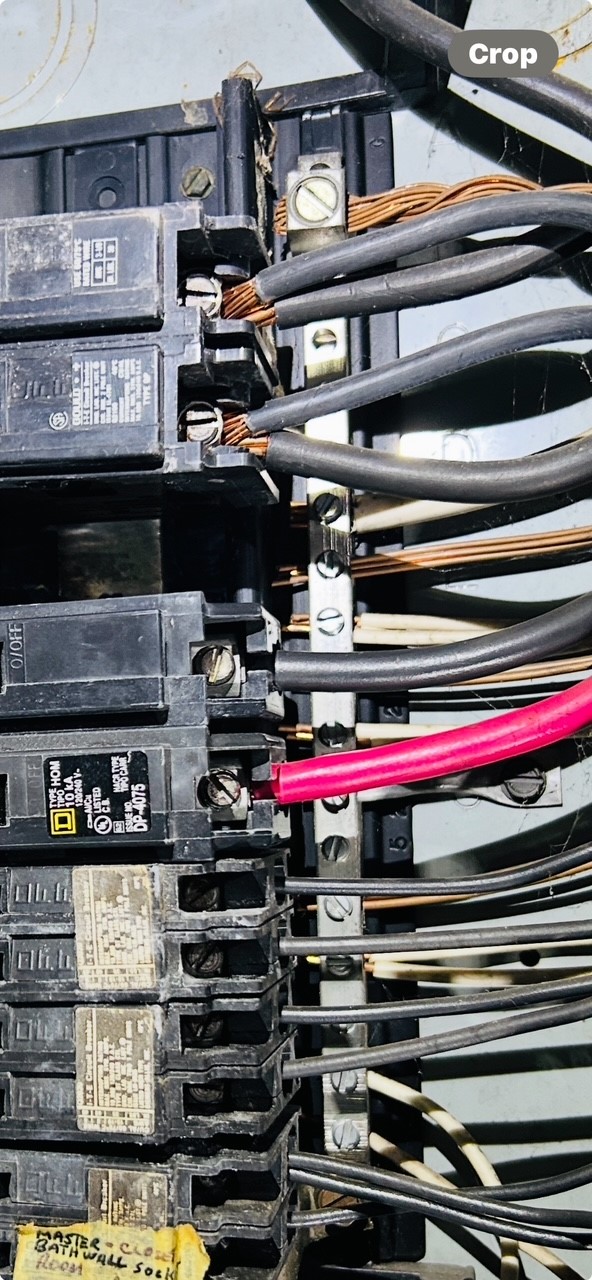
Understanding Double Tapping in Electrical Panels: A Common Home Inspection Issue
When it comes to home safety, few areas are as important as your electrical system. During a home inspection, one of the most frequent electrical defects noted is a double tapped breaker. While it might sound minor, this wiring issue can pose real safety risks if left uncorrected. In this post, we’ll explain what double tapping means, why it’s a problem, and how homeowners can safely address it.
What Is a Double Tapped Breaker?
A double tap occurs when two wires are connected to a single circuit breaker terminal that is only designed to hold one wire. Most standard breakers are rated for one conductor only, meaning each screw or terminal should secure a single wire.
However, homeowners or contractors sometimes “double up” wires to add circuits without installing a new breaker or subpanel. While this may seem like a shortcut, it can create loose connections and increase the risk of overheating, arcing, and electrical fires.
According to the National Electrical Code (NEC), only breakers specifically rated for multiple conductors should be wired this way.
Why Double Tapping Is a Safety Concern
From a distance, a double tapped breaker may not appear dangerous, but inside your electrical panel, it can cause significant issues:
- Loose Connections – Two wires under one terminal screw don’t always hold evenly, leading to a weak or unstable connection.
- Arcing and Heat Buildup – Loose wires can arc (spark) when current flows through gaps, generating intense heat and damaging the breaker or wire insulation.
- Overloaded Circuits – Adding extra circuits without proper planning can cause the breaker to trip frequently or even fail to trip when overloaded — a potential fire hazard.
- Code Violation – Per the NEC, most breakers are designed for one conductor only. A double tap is therefore a code defect and a safety issue.
How to Identify a Double Tapped Breaker
During a professional home inspection, the inspector will remove the panel cover (dead front) to visually inspect the wiring connections. Signs of double tapping include:
- Two wires connected to one screw terminal on a breaker
- Mixed wire sizes (e.g., one thick and one thin conductor) on the same terminal
- Scorch marks, discoloration, or melted insulation near the breaker
An experienced home inspector will note this as a “Safety Concern” or “Defect” and recommend evaluation by a licensed electrician for correction.
For more information, see the InterNACHI guide on double-tapped breakers.
How to Correct a Double Tap
There are several safe and code-compliant methods to fix a double tapped breaker, depending on your panel type and electrical layout:
1. Install a Tandem Breaker
If your electrical panel is designed to accept them, a tandem breaker allows two separate circuits to fit safely in one slot.
2. Add a New Breaker
If space allows, adding a new breaker dedicated to the second wire is often the best long-term solution.
3. Use a Pigtail Connection
An electrician can connect both wires to a short “pigtail” wire using a wire connector, then attach the single pigtail to the breaker terminal. This ensures only one wire terminates under the screw.
4. Upgrade the Electrical Panel
In older homes where the panel is already full, it may be more cost-effective and safer to upgrade the entire service panel. This provides more breaker space and updated safety features like AFCI or GFCI protection. You can learn more about proper panel upgrades at the Electrical Safety Foundation International (ESFI).
What Homebuyers Should Know
If you’re buying a home on Long Island and your home inspector reports a double tapped breaker, don’t panic. It’s a common and easily correctable issue. The key is having it evaluated by a licensed electrician before closing, especially if the home has other electrical concerns like aluminum wiring, missing GFCI outlets, or outdated fuses.
Addressing a double tap early not only improves safety but also prevents potential insurance issues and inspection delays later.
Why Double Tapping Matters for Home Safety
Electricity is unforgiving when handled improperly. A single loose connection can generate enough heat to start a fire inside your wall or breaker box. Regular electrical maintenance and professional inspections are the best defense against hidden hazards.
At DVA Home Inspections, we check every accessible electrical component — from the main service disconnect to branch circuits — to ensure your system is wired safely and up to code.
Final Thoughts
A double tapped breaker may seem like a small issue, but it’s one that can have serious consequences if ignored. During your next home inspection, ask your inspector to explain any electrical defects they find and recommend trusted electricians for repair.
If you’re buying or selling a home on Long Island, a professional inspection can help you uncover issues like double tapping before they become costly or dangerous.
Keywords: double tapped breaker, home inspection electrical defect, Long Island home inspector, electrical panel safety, double tapping wires, breaker issues, home safety inspection.