
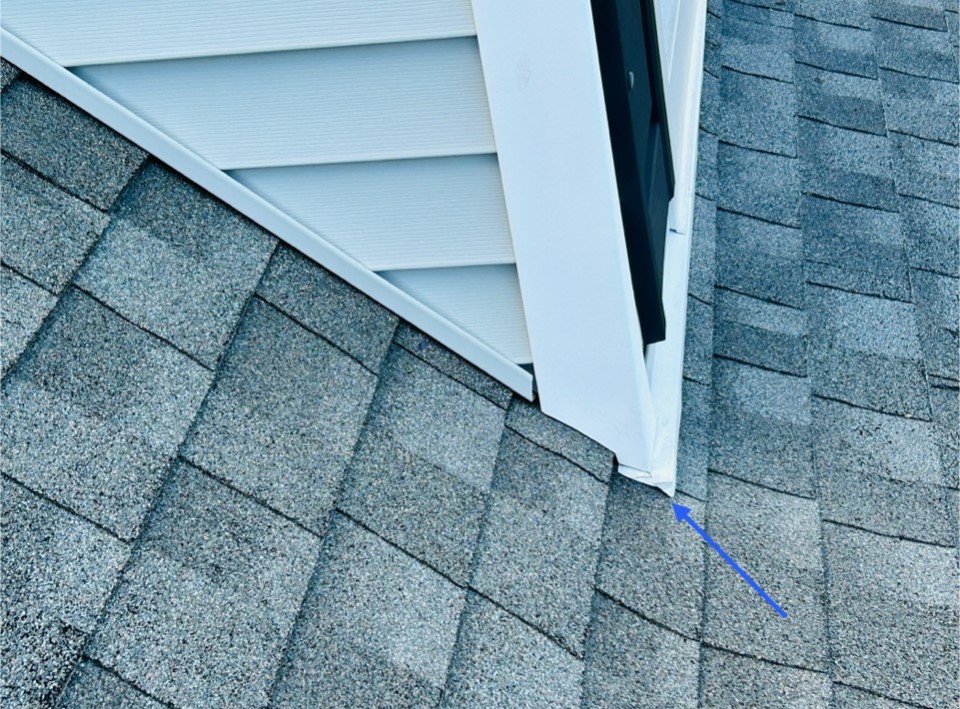
Why Roof Flashing is Critical in Every Long Island Home Inspection
Roof flashing is one of the most important — and often overlooked — components that protect your Long Island home from water intrusion. As experienced Long Island home inspectors, we regularly see how improperly installed or deteriorated flashing leads to costly repairs, hidden mold, and structural damage. In this post we explain what flashing is, why it matters for home inspections in Nassau and Suffolk Counties, common problems we find, and what homeowners should do when flashing issues are discovered.
What is Roof Flashing?
Flashing consists of thin pieces of metal (aluminum, copper, or galvanized steel) installed at critical roof intersections to divert water away from vulnerable seams. Common flashing locations include:
- Around chimneys
- Along roof valleys
- At skylights and vents
- Where the roof meets walls, dormers, or siding
Without flashing, shingles alone can’t protect joints and seams from water, especially during heavy coastal storms and Long Island winter freeze-thaw cycles.
Why Flashing Matters in a Long Island Home Inspection
During a Long Island home inspection, flashing is always a priority. Long Island’s salt air, frequent nor’easters, and temperature swings accelerate corrosion and seal failure. Key reasons flashing matters:
- Prevents water damage: Proper flashing channels water away from joints.
- Protects structural integrity: Stops moisture from rotting framing, insulation, and drywall.
- Stops mold growth: Prevents hidden, unhealthy moisture buildup.
- Extends roof life: A properly flashed roof withstands coastal conditions longer.
Common Flashing Problems We See on Long Island
Our inspections in Seaford, Massapequa, Wantagh, Huntington and Bay Shore routinely uncover:
- Improper installation: Incorrect laps, fastener placement, or integration with shingles.
- Corrosion and rust: Metal flashing exposed to salt air can pit and fail.
- Missing flashing: Older homes sometimes lack flashing in key areas.
- Sealant failure: Caulk and roofing cement dry out after freeze-thaw cycles.
How We Inspect Roof Flashing
When we perform a roof inspection in Long Island, we:
- Scan all vulnerable transition points (chimneys, valleys, skylights, vents).
- Look for gaps, rust, or loose flashing and test for improper water flow.
- Document issues with photos and clear repair recommendations in your inspection report.
What to Do if Flashing is Damaged
If your inspection report calls out flashing issues, act quickly. Repairs range from resealing small gaps to replacing corroded sections or reworking the flashing detail. Typical repair actions:
- Reseal or replace failed caulk/roofing cement
- Replace corroded flashing with new metal
- Reinstall flashing to modern standards and ensure proper shingle integration
We recommend hiring a licensed local roofing contractor to ensure long-lasting work that complies with local building codes.
Protecting Your Long Island Home
A thorough flashing inspection is a small investment that prevents major surprises. If you’re buying or selling a home on Long Island, scheduling a professional home inspection in Long Island that checks roof flashing can save you thousands in future repairs.
Want more roof tips? See our posts on AFCI breakers and electrical safety and common home inspection issues on Long Island.
Frequently Asked Questions (FAQ)
How often should roof flashing be replaced?
There’s no fixed schedule—flashing should last the life of the roof if properly installed. On Long Island, inspect flashing annually and after major storms; replace if corroded or damaged.
How much does flashing repair cost on Long Island?
Costs vary: minor resealing may be under $300, while replacing flashing around chimneys or valleys can range from $500–$1,500 depending on access and materials.
Can I repair flashing myself?
Small reseals can be DIY, but improper flashing installation often causes more leaks. For reliable, code-compliant repairs, hire a licensed Long Island roofing contractor.
What signs indicate bad flashing?
Look for interior water stains, bubbling paint, musty smells, exterior rust, or visible gaps around chimneys or skylights.
Is flashing required by code on Long Island homes?
Yes—modern building codes require flashing in vulnerable areas. Older homes may not meet current standards, which is why inspections are essential.