
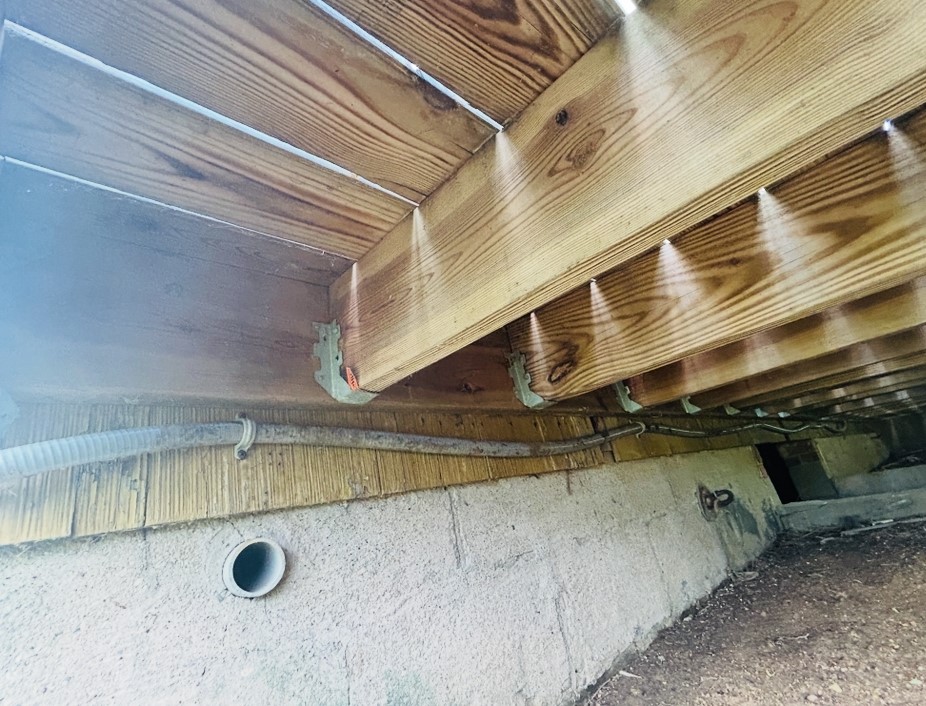
Understanding Joists: The Backbone of Your Home’s Structure
Joist – Horizontal Framing Member Supporting Floors or Ceilings
When it comes to the structural integrity of a home, few components are as critical—or as overlooked—as the joists. These horizontal framing members support the floors, ceilings, and sometimes even roofs, forming the backbone of a building’s framework. During a Long Island home inspection, identifying problems with joists is essential because issues here can lead to sagging floors, uneven ceilings, and even structural instability.
What Are Joists?
A joist is a horizontal structural element that runs between walls, beams, or foundations to support the load of a floor or ceiling. Think of them as the skeleton that holds your home’s horizontal surfaces steady and strong.
- Floor Joists: Support the floors between levels of a home.
- Ceiling Joists: Support the ceiling and sometimes help tie the roof structure together.
- Rim Joists: Run along the perimeter of the floor framing, providing lateral stability.
- I-Joists: Engineered wood members shaped like an “I” for strength and efficiency.
Why Joists Matter During a Home Inspection
A Long Island home inspector pays special attention to joists because they directly affect the home’s stability and safety. Damaged, undersized, or improperly installed joists can lead to sloping floors, cracks in drywall, or bouncy steps—signs of deeper structural problems.
Common Joist Issues
- Rot and Moisture Damage: Often found in basements, crawlspaces, or near plumbing leaks.
- Insect or Termite Damage: Wood-eating pests can compromise joist strength.
- Over-Notching or Drilling: Cutting too deep into joists for wiring or plumbing can weaken them.
- Sagging or Warping: A sign of over-spanned joists or heavy loads beyond design capacity.
Signs of Joist Problems Homeowners Should Watch For
Even if you’re not a home inspector, these signs can hint at underlying joist problems:
- Uneven or sloping floors
- Cracks where walls meet ceilings
- Doors or windows that stick or won’t close properly
- Creaking or bouncy floors
- Visible wood rot or insect damage in crawlspaces or basements
If you spot these issues, schedule a professional home inspection in Nassau or Suffolk County before small problems become costly repairs.
How Joist Problems Are Repaired
Repair methods depend on severity and cause:
- Sistering: Attaching a new joist alongside a damaged one.
- Reinforcement: Adding steel plates or engineered lumber for support.
- Replacement: Severely damaged joists may need full replacement.
- Moisture Control: Fixing leaks and improving ventilation to prevent future rot.
Preventing Joist Problems
Proactive maintenance goes a long way:
- Keep crawl spaces and basements dry with proper drainage and ventilation.
- Avoid overloading floors with heavy furniture or storage.
- Repair plumbing leaks immediately.
- Schedule routine home inspections, especially on older homes or before remodels.
Related Topics & Resources
Read more helpful posts on our blog:
External reference: International Residential Code (IRC) — for joist and floor framing requirements.
Final Thoughts
Joists may be hidden beneath your floors and ceilings, but they’re the backbone of your home’s structure. Understanding how they work—and spotting issues early—can save you thousands in repairs.