
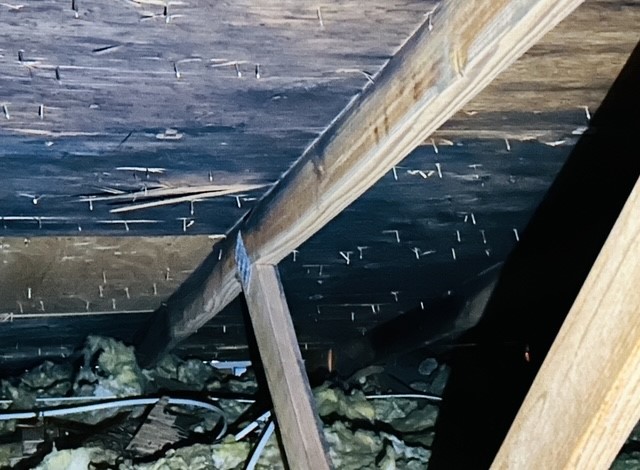
How to Address a Mold Problem in Your Home
Professional guidance for Long Island homeowners from DVA Home Inspections.
Mold is one of the most common issues homeowners face, and if left untreated it can cause both structural damage and health concerns. Whether you’ve spotted a small patch in your bathroom or noticed musty odors in your basement, it’s important to address the problem quickly and effectively.
If you’re unsure where to begin, start with a
professional home inspection
to confirm the problem and uncover hidden moisture sources.
Recognizing the Signs of Mold
- Dark, green, or black spots on walls, ceilings, trim, or grout
- Persistent musty or earthy odors
- Peeling paint, bubbling finishes, or warped drywall
- Worsening allergy-like symptoms indoors
See something suspicious? A
mold inspection on Long Island
can differentiate mold from staining and identify hidden growth.
Step 1: Identify the Source of Moisture
Mold cannot grow without moisture. Before cleaning, find what’s feeding the problem:
- Roof or flashing leaks (attic staining, damp insulation)
- Plumbing leaks (under sinks, behind walls, around tubs)
- Poor ventilation in bathrooms/kitchens
- High indoor humidity or basement seepage
Prevent problems at the top: schedule a
roof inspection
to catch leaks early and protect against costly water damage.
Step 2: Contain & Clean Small Mold Problems
If the affected area is under 10 square feet, the EPA says many homeowners can clean it themselves using detergent and water.
Read the official guidance:
EPA: Mold Cleanup in Your Home.
- Wear protective gear: gloves, goggles, and an N95 mask.
- Ventilate the area and close doors to contain spores.
- Scrub hard, non-porous surfaces with detergent and water; rinse and dry completely.
- Avoid mixing bleach with ammonia or other cleaners.
- Discard porous materials (e.g., soggy ceiling tiles) that can’t be fully cleaned.
Step 3: Call a Professional for Larger Issues
If mold exceeds 10 square feet, keeps returning, or appears in walls, insulation, crawl spaces, or HVAC systems, hire a licensed remediation professional.
Start with a thorough
mold inspection
to document conditions and identify underlying moisture sources.
- Locate hidden growth with moisture meters and thermal imaging
- Establish proper containment and filtration (negative air)
- Remove affected materials and sanitize safely
- Verify dryness before rebuilding
Step 4: Prevent Mold from Returning
- Keep indoor humidity below 50%
(CDC: Dampness & Mold Facts). - Run exhaust fans during and after showers/cooking; vent dryers outdoors.
- Use dehumidifiers in basements and crawl spaces; insulate cold surfaces.
- Clean gutters, extend downspouts, and grade soil away from the foundation.
- Schedule regular
home inspections
and seasonal
roof inspections.
Related reading:
Roof damage from overhanging trees and
what to know about hidden box gutters.
Need a Mold Inspection on Long Island?
Get clarity fast. DVA Home Inspections provides detailed reports, moisture mapping, and clear next steps.
Mold FAQ
How do I know if I have mold in my home?
Signs include musty odors, visible dark spots, peeling paint, and increased allergy-like symptoms. A
professional mold inspection
can confirm hidden issues.
Can I clean mold myself?
For small areas (under 10 sq. ft.), the
EPA
suggests many homeowners can clean hard, non-porous surfaces with detergent and water. Larger or recurring problems should be handled by professionals.
What causes mold to grow?
Persistent moisture—from roof or plumbing leaks, poor ventilation, or high humidity—is the root cause. Fixing the moisture source is essential.
How can I prevent mold from returning?
Keep humidity under 50%, run exhaust fans, use dehumidifiers, maintain gutters/grade, and schedule routine
home inspections.
Do I need a mold inspection before buying a house?
Yes. A
Long Island mold inspection
can identify hidden issues not visible during a showing and protect you from costly repairs.